Factors to Consider in Choosing Private College: Recognizing What Each Institution Needs To Deal for Your Youngster's Development
Selecting a private school for a child involves careful consideration of several elements. Moms and dads need to examine the scholastic curriculum and mentor philosophies of various establishments. They should also explore extracurricular tasks that might enrich their child's experience. Furthermore, recognizing the college's society and worths is crucial for placement with family beliefs. As economic effects play a considerable role, it is vital to evaluate tuition expenses against readily available scholarships. How do these components form a kid's growth course?
Academic Curriculum and Training Philosophy
When choosing a personal college, comprehending the academic educational program and teaching viewpoint is important, as these aspects considerably influence a kid's instructional experience. Parents ought to investigate the college's approach to mentor and the subjects provided, as this can vary substantially among organizations. Some colleges may take on a conventional educational program focused on core subjects, while others could emphasize project-based discovering or interdisciplinary studies.
Furthermore, the teaching philosophy can form class characteristics and student engagement. Institutions that prioritize a student-centered method often foster vital reasoning and collaboration, while those with an extra organized setting may focus on technique and foundational abilities.
Extracurricular Tasks and Enrichment Programs
Importance of Diverse Activities
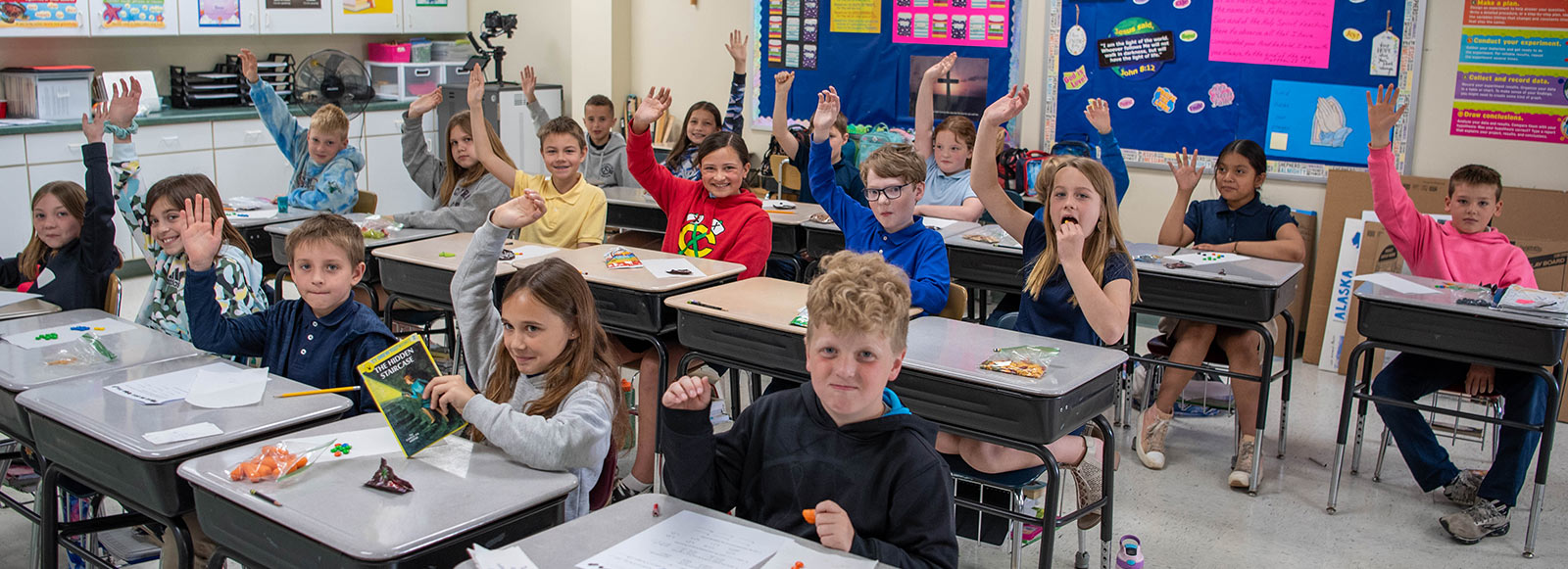
While academic quality is commonly prioritized secretive schools, the relevance of varied activities, consisting of extracurricular tasks and enrichment programs, can not be overemphasized. These activities play an important duty in a kid's holistic growth, offering opportunities for creative thinking, critical reasoning, and teamwork. Involving in different quests allows pupils to explore their interests, uncover new passions, and create essential life abilities, such as time management and self-discipline. Furthermore, varied tasks can promote a feeling of belonging and community, improving the overall college experience. By getting involved in clubs, sports, and artistic undertakings, students not only enhance their education and learning however also develop memorable experiences that add to their individual development. Consequently, varied tasks are important to fostering all-round people.
Impact on Social Skills
Exactly how do extracurricular activities and enrichment programs affect a child's social skills? These programs give crucial possibilities for kids to connect with peers outside of the typical classroom setting. Taking part in clubs, arts, or sporting activities promotes communication, dispute, and synergy resolution. Kids discover to navigate diverse social environments, enhancing their capacity to form relationships and develop empathy. Additionally, taking part in various activities motivates positive self-image, as children take on new obstacles and duties. As they collaborate on projects or compete in teams, they likewise get beneficial experience in management and cooperation. Ultimately, an abundant array of extracurricular offerings contributes considerably to a child's social development, preparing them for future interpersonal interactions in both academic and personal contexts.
Institution Culture and Worths
Comprehending the school society and values is important for parents reviewing personal education options, as these aspects significantly affect a child's total experience. Each institution personifies unique approaches, traditions, and social standards that shape trainees' lives. For instance, a school that stresses inclusivity might promote a supportive setting, encouraging kids to develop empathy and regard for diverse histories. On the other hand, establishments that prioritize academic excellence may develop a competitive environment, motivating pupils to go for high success.
Additionally, the placement of a college's values with a household's beliefs can boost a child's sense of belonging, enhancing positive habits and attitudes. Moms and dads need to explore the college's objective statement, assess its disciplinary policies, and observe pupil communications to evaluate the prevailing culture. Inevitably, a college's society and values considerably affect not only academic success yet also personal growth, outfitting youngsters with vital life abilities for their future.
Course Size and Student-Teacher Proportion
Course dimension and student-teacher proportion play a vital role in the educational experience provided by personal institutions. Smaller sized courses commonly cause enhanced specific interest, fostering much better student involvement and understanding. Study indicates that these variables can substantially impact finding out results, making them essential considerations for moms and dads.
Advantages of Smaller Classes
Smaller course dimensions significantly improve the instructional experience by cultivating extra individualized attention from instructors. In these environments, educators can customize their direction to meet specific pupil requirements, enabling a deeper understanding of the product. With fewer pupils, instructors can much more quickly recognize those who may be battling and offer prompt support. This close interaction can grow stronger partnerships in between pupils and educators, developing a helpful atmosphere helpful to finding out. Furthermore, smaller classes often advertise higher participation, as trainees might really feel a lot more comfortable voicing their thoughts and inquiries. This dynamic urges collaborative understanding and improves total classroom engagement. Eventually, the advantages of smaller classes add extremely to an all-round academic experience that prioritizes trainee growth and development.
Effect On Discovering Outcomes
The benefits of smaller courses extend beyond tailored attention, considerably affecting discovering end results. Research constantly reveals that a reduced student-teacher ratio cultivates imp source enhanced interaction, enabling instructors to tailor direction to specific needs. This environment motivates energetic engagement, vital reasoning, and deeper understanding of the material. In smaller settings, instructors can better determine and deal with learning voids, resulting in enhanced academic efficiency. Kindergarten. Furthermore, students usually feel extra comfy expressing their thoughts and asking concerns, which can further improve the knowing experience. Conversely, bigger course sizes may limit interaction and responses, possibly preventing student development. As an outcome, when assessing independent schools, families ought to think about course dimension and student-teacher ratios as significant elements influencing their kid's educational success
Neighborhood Engagement and Adult Participation
Exactly how can community interaction and parental participation enhance the instructional experience in personal institutions? These components play a necessary duty in enhancing the finding out environment. When moms and dads actively participate in college activities, they foster a feeling of belonging and support among pupils. This involvement can take different types, such as offering for events, participating in meetings, or signing up with boards, which not just enhances the college neighborhood but additionally boosts interaction between family members and instructors.
Area engagement prolongs this assistance by attaching the college with neighborhood organizations, companies, and cultural organizations (Private School). Such collaborations provide trainees with unique discovering opportunities, including workshops and teaching fellowships, which add to their total growth. Furthermore, institutions that prioritize these links frequently produce a more inclusive ambience, enabling varied perspectives to be shared. Eventually, area engagement and parental involvement serve to develop a joint and encouraging setting that adds positively to trainees' scholastic and social success
Financial Considerations and Scholarships
Steering the economic landscape of exclusive colleges can be a complex process for households. Tuition prices differ significantly, frequently affected by aspects such as area, centers, and the institution's track record. Households have to examine their financial scenario, thinking about not just tuition however likewise extra costs like uniforms, fees, and extracurricular activities.
Numerous personal institutions offer scholarship programs aimed at attracting diverse student populaces - Grade School. These scholarships can make and alleviate financial problems high quality education available to families with differing income levels. It is vital for moms and dads to inquire concerning the accessibility of need-based and merit-based scholarships and comprehend the application procedures entailed
In addition, some institutions provide versatile layaway plan that can alleviate immediate economic pressures. By assessing all financial facets and checking out scholarship opportunities, households can make enlightened decisions that line up with their educational goals and financial constraints.
Regularly Asked Inquiries
Exactly How Do Institutions Assistance Pupils With Learning Disabilities?
Colleges sustain trainees with finding out impairments with personalized education and this contact form learning strategies, specialized teaching approaches, and additional sources. They usually give tailored treatments, access to support team, and comprehensive settings to promote emotional and academic growth.
What Is the School's Strategy to Self-control and Actions Administration?
The institution's strategy to discipline and behavior management stresses positive support, clear expectations, and corrective methods. Team proactively involve students in conversations regarding actions, cultivating a supportive setting that urges individual duty and responsibility.
Exactly How Do Schools Manage Student Changes, Such as Relocating to Greater Grades?
Schools typically offer organized assistance during student adjustments, consisting of alignment programs, mentorship chances, and customized scholastic preparation. These steps aim to relieve stress and anxiety, advertise change, and guarantee trainees are prepared for the obstacles of greater qualities.
What Are the School's Policies on Modern technology Use in the Classroom?

Exactly How Do Colleges Examine Pupil Progression and Give Comments to Parents?
Schools evaluate pupil progress via regular evaluations, including examinations, tasks, and classroom engagement. Responses is provided to parents through progress report, parent-teacher seminars, and on-line sites, ensuring continual interaction concerning each child's academic development.

Comments on “Why Kindergarten is the Best Start to a Lifelong Learning Journey”